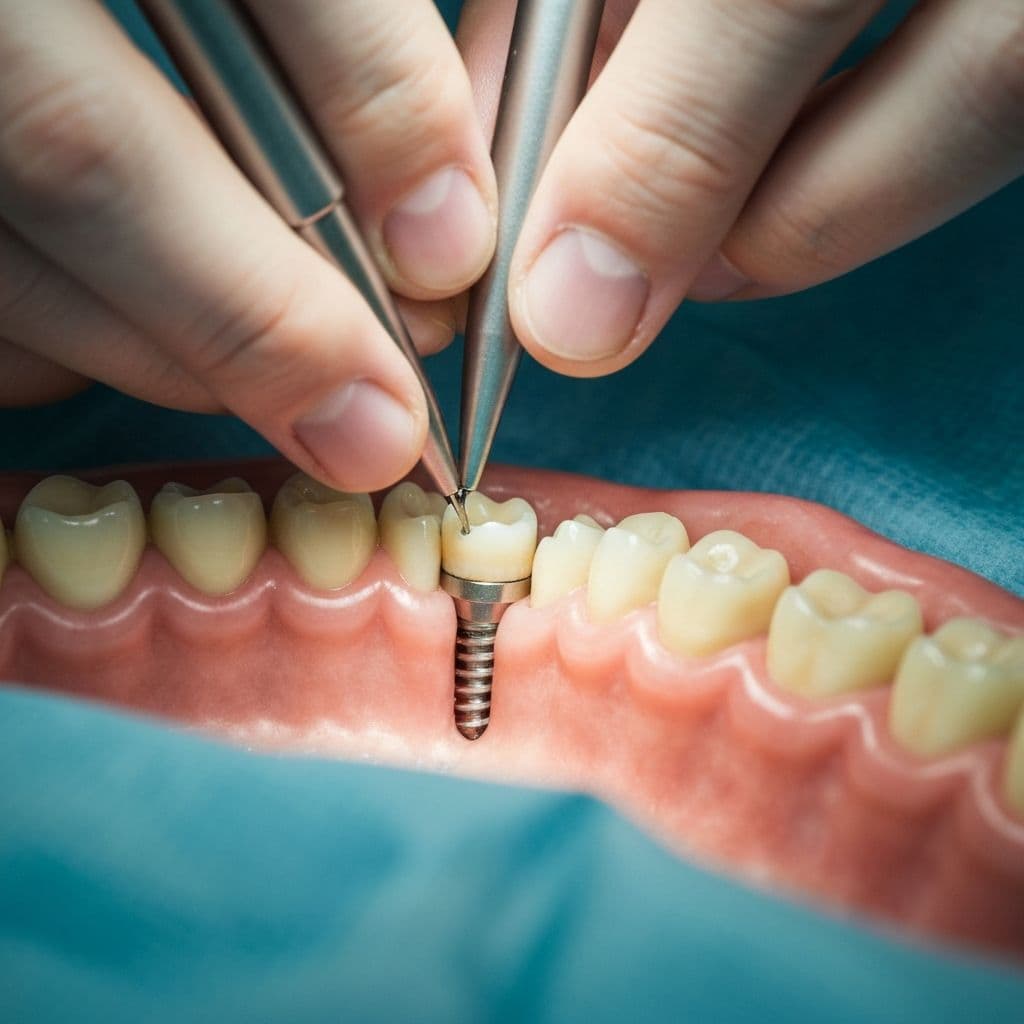
This is an illustrative, fictional case study—not a real patient record. The images are general illustrations, not case-specific photographs or before-and-after results. Individual diagnosis, treatment, timing, risks, and outcomes vary.
Introduction
A fictional composite, not a makeover testimonial
This educational example is a fictional composite and does not describe a real patient, dental record, or before-and-after result. No personal measurements, photographs, diagnoses, or treatment outcomes are supplied. It explains the kinds of questions that may arise when someone asks about changing the appearance of the front teeth and a clinician discusses whether porcelain veneers—or a less invasive option—might fit the person's goals.
A smile makeover is not one standardized treatment. The phrase can refer to a range of cosmetic and restorative choices, from changing nothing or improving oral hygiene to whitening, bonding, orthodontics, crowns, or veneers. Porcelain veneers cover selected tooth surfaces and typically require careful planning; preparation may permanently remove enamel. That irreversible aspect makes diagnosis, conservative design, alternatives, and informed consent especially important.
- All scenario details are hypothetical; no real patient is represented.
- Project images are illustrative, not case-specific or before-and-after photos.
- Aesthetic preferences and clinical suitability differ from person to person.
Design begins with listening
A careful conversation explores what the person notices and what they hope to change. Some people want a subtle adjustment; others have several concerns about color, shape, spacing, or visible restorations. A clinician should clarify which goals are realistic, which are subjective, and whether an underlying health or bite issue needs attention first. The objective is not to impose a template smile but to consider a healthy, maintainable result that respects the person's features and preferences.
Patient overview
Hypothetical consultation context
For teaching purposes, imagine an adult seeking information about the appearance of the visible front teeth. This placeholder has no stated age, occupation, medical history, or clinical findings; none should be inferred. The person might bring reference images or describe a preference for a brighter, more even appearance, but reference pictures represent another person's features and should not be treated as a guaranteed template.
The clinician would ask about dental history, sensitivity, previous restorations, habits such as clenching, and any relevant health or medication considerations. The discussion should include budget and willingness to accept permanent tooth alteration, replacement over time, and maintenance. An aesthetic decision can be paused. A person should never feel rushed into an irreversible procedure because a consultation or preview made a particular appearance seem inevitable.
- Goals, concerns, and preferred degree of change: to be discussed directly.
- Tooth health, restorations, bite, and habits: to be examined in a real case.
- No demographic or clinical patient data are claimed in this composite.
Chief complaint
Understanding the requested change
The hypothetical concern is dissatisfaction with the look of one or more visible teeth. A real person might describe uneven edges, spaces, discoloration, old fillings, or a desire for a more balanced appearance. Those examples are prompts for discussion, not symptoms or facts belonging to an actual patient. Different causes require different responses: discoloration may relate to stains or internal tooth changes; shape may be natural or affected by wear; a gap may involve tooth position or size.
The dentist should ask whether the concern is recent or longstanding, whether any tooth is painful or sensitive, and what treatments have already been tried. Pain, swelling, trauma, or a rapidly changing appearance calls for clinical assessment rather than purely cosmetic planning. The clinician can reflect the patient's words back to confirm priorities and distinguish an appearance preference from a health problem that may require treatment.
Agreeing on a realistic objective
A helpful objective is specific but flexible: for example, discussing whether a small shape adjustment is possible, not demanding an exact replica of an online photograph. The clinician can explain limitations of shade matching, symmetry, and material appearance, and how natural teeth, lips, facial movement, and lighting influence perception. The patient should have the opportunity to reject a proposed design before any irreversible preparation.
Initial examination and clinical findings
Clinical checks before aesthetic treatment
A real examination would evaluate teeth, gums, existing restorations, bite, tooth position, and signs of wear or parafunction. The clinician would assess whether decay, cracks, inflammation, or other disease should be managed before elective cosmetic treatment. Photographs, impressions, scans, or diagnostic models may be considered when they answer a specific planning question, with appropriate consent. This composite does not claim that any examination or scan took place.
The amount and condition of enamel are relevant because veneers bond best when treatment can be planned appropriately, and preparation may be irreversible. A tooth with extensive damage or a large existing restoration may call for a different restorative discussion than a sound tooth with a minor cosmetic concern. Tooth position and bite can also affect whether a veneer design is practical and how forces act on it. Clinical evaluation, not a generic online checklist, determines suitability.
Shade assessment is more complex than choosing the whitest sample. The clinician and patient may discuss how the desired color relates to adjacent teeth, skin and facial features, natural variation, and future maintenance. The patient should understand that ceramic restorations do not whiten in the same way as natural enamel and that a mismatch can become more noticeable if surrounding teeth change. No shade or design is assigned to the fictional placeholder.
- Confirm oral health and address active disease before elective procedures.
- Assess enamel, existing restorations, tooth position, bite, and wear.
- Document preferences and explain the limits of previews and shade matching.
Why a photograph is not a diagnosis
A photograph can help communicate a concern but cannot reliably establish tooth health, enamel thickness, bite forces, or the cause of discoloration. Online galleries and illustrative assets should not be interpreted as evidence that the same procedure will suit another person. This record uses only existing project-local illustrative assets, with explicit captions stating they are not images of a patient or case outcome.
Diagnosis and problem assessment
No individual diagnosis is made here
There is no real patient or examination behind this example, so it makes no dental diagnosis. A hypothetical request for aesthetic change is not itself a diagnosis or an indication for veneers. A clinician would document confirmed findings, including the health of each tooth and the reason a proposed restoration is necessary, then separate restorative needs from elective preferences.
Before recommending a veneer, the dentist should consider whether no treatment, whitening, direct composite bonding, orthodontic movement, enamel reshaping in a limited case, or another approach could meet the goal with less tooth alteration. If the concern relates to structural damage, a different restoration may be indicated. The appropriate option depends on findings, longevity expectations, risks, and informed preference.
Treatment options and selected plan
Conservative planning and consent
A responsible plan starts by defining the desired change and checking oral health. If treatment is elective, the clinician should explain the irreversible nature of any enamel removal, what the proposed design changes, and what cannot be predicted. The patient can ask to see a mock-up or discuss a provisional preview when appropriate, but a preview is a communication aid rather than a promise of an exact final appearance. The person retains the right to stop or choose no treatment.
Options can be compared from least to more invasive. Professional whitening may address some types of discoloration but does not change tooth shape. Bonding may make limited changes and can be repaired, though it may stain or chip. Orthodontic treatment can change tooth position but requires time and retention. Porcelain veneers may alter surface color and shape but involve material and preparation considerations. Crowns cover more of a tooth and are generally considered in different circumstances. Each alternative has limitations; none is universally appropriate.
If veneers are selected, the team would discuss the number and location of restorations, whether any preparation is planned, shade and shape preferences, material limitations, temporary restorations if needed, review visits, and future maintenance. Consent should cover potential sensitivity, damage or debonding, chipping, gum response, bite changes, and the possibility of repair or replacement. The patient should receive written aftercare and know how to seek help.
- Identify the patient's specific aesthetic priorities and check for urgent health concerns.
- Examine teeth, gums, restorations, bite, and factors that could affect a veneer.
- Compare no treatment and conservative alternatives with the proposed veneer approach.
- Agree on a design, discuss irreversible steps and risks, and obtain informed consent.
- Review fit, comfort, appearance, cleaning, and maintenance after any selected care.
Designing for the individual
The design discussion can address tooth proportions, edge position, contour, translucency, and how the smile appears during movement rather than only in a still image. Patients should be encouraged to describe what they do not want as well as what they do. A clinician can explain material constraints and show a trial design where available, while being clear that color, texture, and light behavior may differ. The aim is a considered choice, not a universal ideal.
- What is the least invasive option likely to address my concern?
- Would a veneer require removing enamel, and how much is anticipated?
- What are the likely maintenance, repair, and replacement considerations?
Illustrative sequence only
Treatment timeline
These stages describe a possible planning framework, not the history of an actual patient. Scheduling and healing vary and should be confirmed by the treating clinician.
- 01
Consultation and examination
One or more visits, depending on questionsClarify goals, examine oral health and bite, and discuss whether cosmetic treatment is appropriate. No individual visit count is claimed.
- 02
Design and alternatives
Before irreversible treatmentCompare conservative options, discuss appearance preferences, and review risks, costs, and maintenance.
- 03
Preparation and records, if veneers are selected
Scheduled according to the agreed planAny preparation is individualized and consented to; records may be sent for fabrication and temporary coverage considered.
- 04
Try-in and placement
When restorations are ready and clinical checks allowEvaluate fit, appearance, contacts, and bite; address questions before bonding as clinically feasible.
- 05
Review and maintenance
OngoingMonitor comfort, gum health, bite, and restoration condition; maintain routine dental care and personalized hygiene.
Treatment procedure
General veneer workflow
The following is a general description only. After examination and consent, planning may include records such as photographs, impressions or digital scans, and a discussion of shade and shape. A mock-up may be used in selected circumstances to help communicate design. If preparation is planned, the clinician should explain the amount and purpose beforehand. Any irreversible removal of tooth structure is performed only after the patient agrees to the specific plan.
When laboratory-made ceramic veneers are chosen, the clinician may prepare the teeth, record the prepared surfaces, and provide temporary coverage if appropriate. A dental laboratory fabricates restorations to the prescribed design. At a later visit, the dentist evaluates fit, contact, shade, margins, and bite before bonding. The patient should be invited to assess the proposed appearance and comfort before final cementation, within the clinical limits of the procedure.
After placement, the clinician checks the bite and provides instructions for cleaning and protection. Follow-up may be needed to address sensitivity or make an adjustment. A veneer does not make the underlying tooth invulnerable; the person still needs routine examinations and hygiene. The case does not claim that this fictional composite received any preparation, temporary, or final restoration.
- Discuss design and confirm consent for each planned irreversible step.
- Collect appropriate records and make a design or mock-up when useful.
- Prepare teeth only as planned; take records for laboratory fabrication if indicated.
- Assess proposed restorations for fit, appearance, contacts, and bite before bonding.
- Provide home-care guidance and arrange individualized review.
Communication throughout the process
A cosmetic appointment should remain collaborative. The patient should communicate discomfort, concerns about the proposed appearance, or uncertainty before proceeding. The dentist should explain what can and cannot be changed at each stage. If clinical findings differ from expectations, the team should pause, reassess, and discuss alternatives rather than treating the original design as fixed.
Illustrative treatment gallery
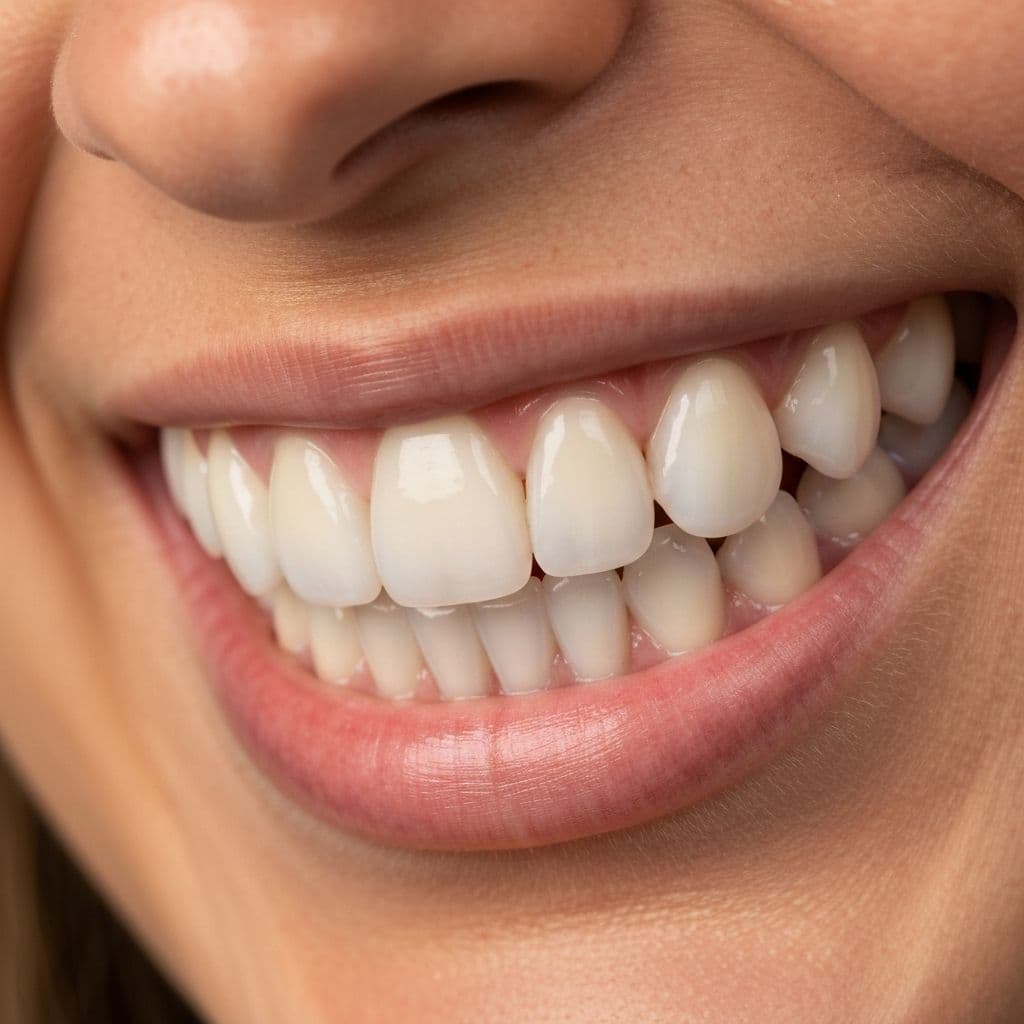
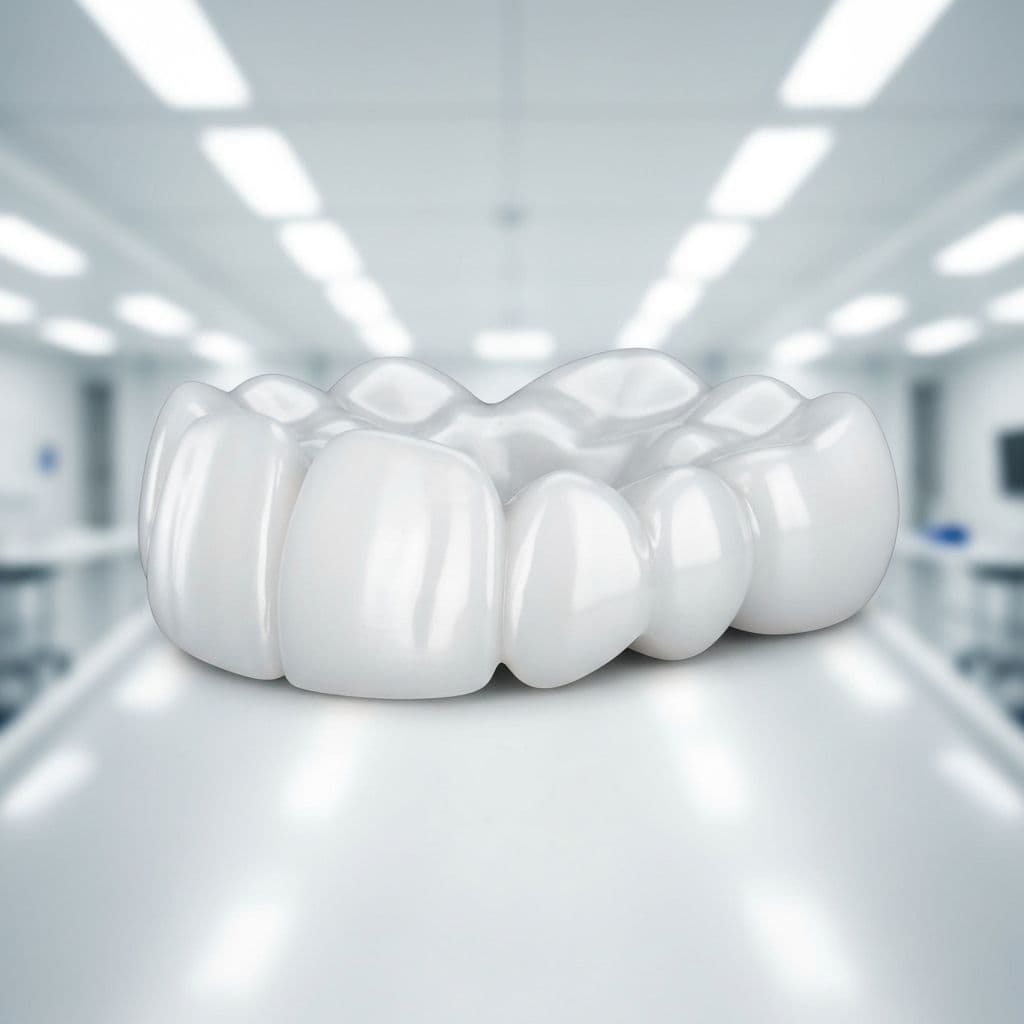
These general dental visuals are not photographs of the fictional scenario and are not before-and-after images. They do not represent a documented patient or clinical result.
Recovery and aftercare
What to expect after restorative visits
Sensitivity or temporary awareness can occur after dental procedures, but the type and duration depend on the individual and treatment. The treating clinician should explain expected sensations and provide instructions specific to the procedure. Persistent, worsening, or severe pain is not something a general article can assess; contact the dental team for advice. Do not assume discomfort is normal simply because a cosmetic restoration has been placed.
Use a soft toothbrush and the cleaning products recommended by the clinician, and attend review appointments. If a veneer feels loose, sharp, or high when biting, seek professional assessment rather than trying to adjust or reattach it at home. If a restoration chips or comes off, save any piece if possible and contact the dentist. Urgent symptoms such as facial swelling, fever, or difficulty swallowing or breathing require prompt care.
Results and outcomes
Appearance and function are individual
A veneer plan may aim to modify color, shape, or surface appearance, but no particular aesthetic result can be guaranteed. Natural teeth and ceramics interact with light differently; gum contours, facial movement, and personal perception affect the final impression. A patient may appreciate some changes and still want an adjustment. This fictional example has no patient photos, actual placement, or claimed result to compare.
Evaluation should include more than a photograph. The clinician can assess comfort, bite, gum response, cleaning access, and restoration integrity, while the patient describes how the teeth feel and whether the agreed goals were addressed. If expectations and clinical possibilities diverge, discussion should happen before any additional irreversible treatment. Veneers may need maintenance, repair, or replacement during a person's lifetime.
Clinical discussion
The ethics of elective irreversible care
Cosmetic dentistry involves subjective preferences, but clinical standards still apply. The dentist's role includes identifying disease, preserving healthy tissue, explaining alternatives, and avoiding unsupported promises. A patient should understand that enamel removed for a veneer does not grow back and that restorations can require future intervention. A convincing preview or promotional image should never replace a frank discussion of trade-offs.
The least invasive approach that can reasonably meet the person's informed goals is an important consideration. That does not mean every patient should choose the smallest possible change; it means the clinician and patient weigh the expected benefit against biological cost, durability, and maintenance. If the patient seeks a shade or shape that is not clinically realistic, the professional should explain why and offer a respectful alternative rather than assure a result that cannot be ensured.
Setting expectations without overpromising
Ceramic materials are durable but not indestructible. Habits, bite forces, trauma, hygiene, and material factors can influence the restoration. Whitening products do not change the shade of ceramic in the same way they affect natural teeth, so future color changes should be considered before choosing a design. Regular dental reviews help detect issues, but cannot eliminate every risk or guarantee a particular lifespan.
Potential benefits
Potential benefits and limits
For selected patients, porcelain veneers may provide a way to alter the visible surface of teeth and coordinate color or shape across a planned area. Ceramic can have optical qualities that patients and clinicians value. These potential benefits must be balanced with the irreversibility of preparation, repair considerations, and the fact that appearance remains personal. Less invasive alternatives may be preferable when they can meet the same goal.
- May address selected color or shape concerns after diagnosis and planning.
- Can be designed around a patient's preferences, within clinical and material limits.
- Requires ongoing care and may need repair or replacement.
- Aesthetic satisfaction is individual and cannot be guaranteed.
Challenges and limitations
Risks and challenges to consider
Potential concerns include sensitivity, chipping, debonding, changes in bite comfort, gum irritation, color mismatch, and future repair or replacement. The relevance and likelihood of each depend on the individual and design. A veneer may not be suitable for every tooth or goal, and preparation can permanently remove enamel. Financial cost and the time needed for planning and laboratory work should also be considered before committing.
- Irreversible tooth preparation may be part of treatment.
- Ceramic restorations can chip, loosen, or require future care.
- Shade and appearance cannot be promised from a preview or reference image.
- Discuss alternatives and take time before consenting to elective treatment.
Patient education
Questions for a smile-design appointment
A useful consultation is an opportunity to ask not only how a veneer is made, but why it is being recommended. Request an explanation of the diagnosis and the expected amount of tooth alteration. Ask how a conservative option compares and what the long-term plan would be if a veneer needs repair. Bringing reference photographs can help explain preferences, but the clinician should discuss why another person's result may not be reproducible.
- What is causing the concern, and is there any underlying disease?
- Could whitening, bonding, orthodontics, or no treatment address my goals?
- What enamel alteration is planned and what happens if I change my mind?
- How will the result look in different lighting and beside my other teeth?
- What home care, protection, review, and future costs should I expect?
Frequently asked questions
Are porcelain veneers reversible?
When enamel is removed, that change is irreversible. Some veneer designs may require little or no preparation in selected circumstances, but suitability depends on the tooth and desired result. Ask the dentist exactly what is planned before consenting.
Are veneers better than whitening?
They address different concerns. Whitening may change some natural-tooth discoloration but does not reshape teeth or change ceramic restorations. Veneers can alter selected surfaces but involve different risks and may require permanent preparation. A dentist can compare options for your findings and priorities.
Do veneers look exactly like natural teeth?
Modern materials can be designed to imitate aspects of natural teeth, but appearance depends on the material, tooth, light, shade, and individual preference. No clinician can promise an exact match to a reference photo or a specific aesthetic result.
Can I whiten teeth after getting veneers?
Whitening changes natural teeth differently from ceramic. If surrounding teeth change shade, a restoration may not change with them. Discuss shade planning and future whitening before treatment rather than assuming a veneer will respond like enamel.
Are these images from the fictional veneer case?
No. The images are existing project-local illustrative assets, not patient photos and not before-and-after evidence. The scenario is fictional and makes no claim that treatment occurred.
Conclusion
A smile plan should protect choice and tooth health
This fictional composite shows why veneer planning is a conversation about health, appearance, alternatives, and irreversible change—not a guaranteed makeover. A careful clinician listens to the person's priorities, checks for disease, considers conservative choices, and explains risks and maintenance before treatment. No result or specific patient outcome is represented.
If you are considering cosmetic treatment, seek an individualized examination and ask for a clear comparison of options. Take time to decide, especially when enamel preparation is proposed. A healthy and maintainable choice may be different from the most dramatic change, and choosing no treatment is also a valid outcome of an informed consultation.
This educational scenario is not medical advice and should not be used to self-diagnose or choose treatment. Consult a qualified dental professional for an examination and individualized guidance.