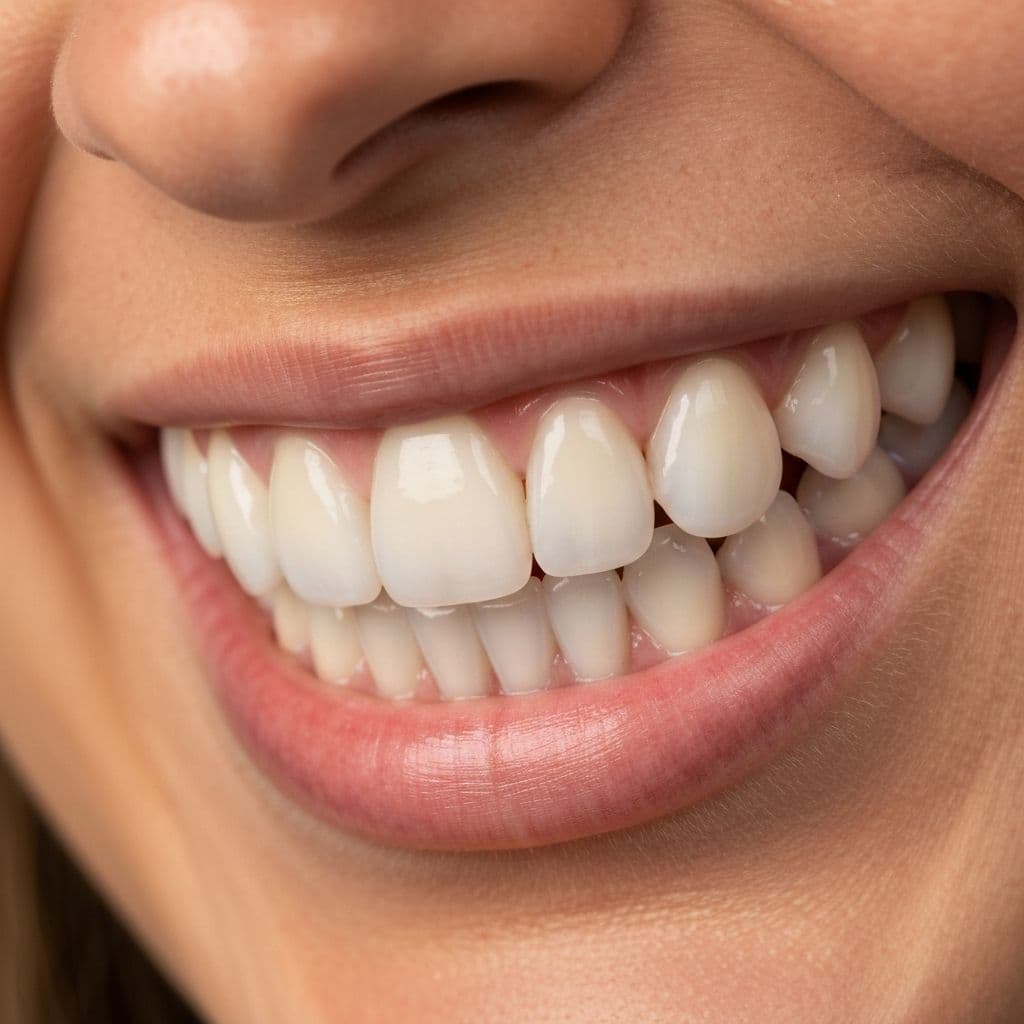
This is an illustrative, fictional case study—not a real patient record. The images are general illustrations, not case-specific photographs or before-and-after results. Individual diagnosis, treatment, timing, risks, and outcomes vary.
Introduction
How to read this educational example
This case study is an explicitly fictional composite written to explain decision-making, not to describe an identifiable person or actual clinical record. Names, ages, examination results, radiographs, treatment choices, dates, and outcomes are intentionally not supplied as patient facts. A real person considering tooth replacement needs an individual examination, relevant imaging, medical and dental history review, and a conversation with a licensed dental professional. This narrative does not diagnose, prescribe, or promise that implants are appropriate.
The example follows a hypothetical situation involving several missing teeth and other teeth that may need evaluation. Its educational focus is the process: define the problem, protect remaining oral health, compare ways to restore chewing and appearance, and plan in stages. Implant therapy is only one possible approach. A removable partial or complete denture, a tooth-supported bridge, maintaining a space, or a combination may be more appropriate depending on anatomy, health, preferences, resources, and priorities.
- Composite scenario: fictional and not based on one real patient.
- Images: illustrative project assets, not before-and-after or case-specific photographs.
- Outcomes: individual and uncertain; no result is guaranteed.
The question behind full-mouth rehabilitation
When multiple teeth are absent or weakened, the problem is broader than filling visible gaps. A team may need to consider comfort, chewing, speech, the condition of remaining teeth, gum support, bite relationships, cleaning access, and the patient's preferences together. Full-mouth rehabilitation is a planning description rather than one standardized operation. It can involve several independent treatments, and a staged plan may change as healing, new information, or patient goals warrant.
A useful plan begins with a shared definition of success. For one person that may mean a stable removable appliance and improved confidence; another may prioritize fixed teeth or preserving natural tooth structure. The clinician should explain what is known, what remains uncertain, alternatives, maintenance responsibilities, foreseeable complications, and the option to defer or decline treatment. The case below models those conversations without asserting that any particular treatment is right for a real reader.
Patient overview
Hypothetical starting point
For teaching purposes, imagine an adult who seeks an assessment after living with several spaces in the dental arches and difficulty deciding what to do next. This person is a fictional placeholder: no age, medical condition, occupation, dental history, or personal outcome is being reported. The useful clinical question is not whether this imagined person qualifies for implants, but what a careful team would need to learn before discussing any irreversible treatment.
The starting visit would invite the person to explain what matters most: comfort, ability to chew a range of foods, appearance, speech, a fixed versus removable option, treatment time, cost, or ease of cleaning. These priorities can conflict. A patient may also prefer to address urgent disease before considering reconstruction, or may choose a simpler interim solution. Consent requires enough time to understand those trade-offs rather than treating a comprehensive plan as an automatic commitment.
- Medical and dental history: to be gathered and verified in a real consultation.
- Patient goals and preferences: to be elicited rather than presumed.
- Clinical measurements and imaging: not provided in this fictional example.
Chief complaint
Possible concerns raised at consultation
In this composite, the presenting concern is described broadly as missing teeth and uncertainty about replacement. A person in that situation might report avoiding certain foods, noticing changes in how a removable appliance fits, feeling self-conscious about a visible space, or simply wanting to understand available options. These are possible topics for a consultation, not statements about a real patient's symptoms. Some people with missing teeth have little discomfort; others have pain from a separate problem that requires prompt assessment.
The clinician would ask when the concern began, whether it is changing, what makes it better or worse, whether there is swelling or sensitivity, and how the person currently cleans the area. A full-mouth discussion must not distract from symptoms that need timely care. Persistent pain, facial swelling, fever, trauma, uncontrolled bleeding, or difficulty swallowing or breathing warrants urgent professional attention rather than waiting for elective implant planning.
Turning a broad concern into priorities
The team can help separate immediate needs from longer-term wishes. Stabilizing active decay or gum disease may come before replacement; a temporary prosthesis may help during assessment; and the person may reasonably decide that no replacement is preferable for a particular space. A written priority list makes the treatment discussion more practical and gives the patient a way to compare options without being pressured by a single idealized picture of a finished smile.
Initial examination and clinical findings
What a real assessment would examine
A real evaluation could include a review of the teeth and restorations, gum tissues, oral hygiene, bite, jaw comfort, and the spaces where teeth are absent. The clinician would assess whether remaining teeth have decay, cracks, mobility, infection, or compromised support, and whether any treatment is needed before prosthetic planning. Findings should be documented accurately and explained in plain language. This educational composite deliberately reports no measured probing depths, tooth numbers, bone dimensions, scan results, or radiographic interpretations.
Imaging is selected for a clinical reason, not simply because an implant is being considered. Depending on the question, a dental professional might use existing radiographs or recommend additional two-dimensional or three-dimensional imaging to assess relevant anatomy. Images have limits and must be interpreted alongside examination and history. The clinician should explain why a scan is needed, how it informs a decision, and whether another diagnostic route would be reasonable.
The assessment also considers factors that can affect healing or maintenance. Medical conditions, medications, tobacco or nicotine use, prior treatment, oral hygiene, and access to follow-up may all be relevant, but none alone should be converted into a blanket conclusion without professional review. The patient's capacity to attend maintenance visits and clean around a proposed prosthesis matters just as much as the technical possibility of placing an implant.
- Remaining tooth and gum health, including active disease that should be treated first.
- Space, bite, and anatomy relevant to each possible replacement.
- Medical history, medications, healing considerations, and the person's own priorities.
- Ability to clean and maintain the proposed restoration over time.
Information that should not be assumed
A gap alone does not establish that an implant is needed or suitable. Neither a generic illustration nor a broad online description can tell a reader whether there is enough bone, whether grafting is appropriate, how many implants might be needed, or whether the surrounding teeth can support another option. Those determinations require a case-specific clinical assessment. For that reason this record avoids fabricated measurements, named clinicians, individualized radiographic findings, and statements that a hypothetical patient completed treatment.
Diagnosis and problem assessment
Working problem list, not a personal diagnosis
Because there is no real examination, this record cannot make a diagnosis. For educational discussion only, the planning problem is framed as multiple absent teeth with a need to assess the condition of the remaining dentition and supporting tissues. In a real chart, a dentist would document each confirmed condition separately, distinguish active disease from historical tooth loss, and explain which findings have been verified and which require further investigation.
The decision to replace a space would be made tooth by tooth and in the context of the whole mouth. The team would consider whether the area is comfortable and stable, whether neighboring or opposing teeth are affected, and how a proposed restoration changes cleaning and loading. It should not be presumed that every missing tooth must be replaced, or that implants necessarily provide a better result than a bridge or denture for a particular person.
Treatment options and selected plan
A staged, preference-sensitive plan
A hypothetical plan would begin with diagnosis and disease control, not with a promise to place implants. The dentist would discuss urgent needs, preventive care, and whether remaining teeth can be maintained. If the person wishes to explore reconstruction, the next discussion compares a removable prosthesis, a tooth-supported bridge, implant-supported single crowns or bridges, and combinations. Each option has distinct implications for surgery, neighboring teeth, cleaning, repair, time, and cost. No option is universally best.
If implant treatment remains under consideration, the clinician would explain the proposed sequence and the reasons for any additional investigation. The patient should know which parts are tentative, which depend on healing or further findings, and what alternatives remain if the preferred approach is not feasible. Staging can preserve flexibility: address disease, establish a stable temporary arrangement if useful, reassess, and proceed only after the person understands and agrees to the next step.
The plan must include maintenance from the outset. A final restoration is not the end of care; regular dental reviews, professional cleaning as indicated, and daily cleaning around the prosthesis help support long-term oral health. The patient and clinician should agree on how to monitor the restoration, whom to contact if it feels loose or uncomfortable, and what repair or replacement may involve.
- Gather history, examination findings, and only the diagnostic imaging needed to answer clinical questions.
- Treat or stabilize active oral disease and review preventive habits before elective reconstruction.
- Compare no replacement, removable, tooth-supported, and implant-supported options against the patient's priorities.
- If chosen and clinically appropriate, document a staged plan, consent, expected maintenance, risks, and contingency options.
- Review healing and function at follow-up; adjust the plan based on actual findings rather than assumptions.
Alternatives and shared decisions
A removable partial or complete denture may avoid implant surgery and can be adjusted or removed for cleaning, although fit, comfort, stability, and adaptation vary. A tooth-supported bridge may replace a space without an implant but may require preparation of adjacent teeth and creates specific cleaning needs. Leaving a space can be reasonable in selected circumstances after discussing possible functional or positional changes and monitoring. Implant-supported treatment may avoid relying on neighboring teeth for support but involves surgery, healing, cost, and ongoing care. A second opinion is reasonable when the person wants one.
- Ask what happens if the space is not replaced now.
- Ask whether a reversible or temporary option can help while decisions are made.
- Request a written comparison of benefits, limitations, risks, visits, and maintenance.
Illustrative sequence only
Treatment timeline
These stages describe a possible planning framework, not the history of an actual patient. Scheduling and healing vary and should be confirmed by the treating clinician.
- 01
Assessment and planning
Initial visits; timing variesReview goals, history, examination, and appropriate imaging; discuss alternatives and clarify what is still uncertain. No treatment duration is implied for an individual.
- 02
Disease control and preparation
As clinically neededAddress active dental or gum problems and preventive needs. Interim tooth replacement may be discussed without assuming it is required.
- 03
Surgical phase, if selected
Appointment and healing interval determined individuallyAny implant placement is planned and consented to by the treating clinician and patient; healing and suitability for restoration are reviewed.
- 04
Restoration and review
After clinical review supports the next stageA restoration may be designed, fitted, adjusted, and checked. Actual timing depends on anatomy, healing, and the chosen approach.
- 05
Ongoing maintenance
Long-termMaintain routine dental care, home cleaning, and individualized monitoring; promptly report changes in comfort or function.
Treatment procedure
What implant treatment can involve
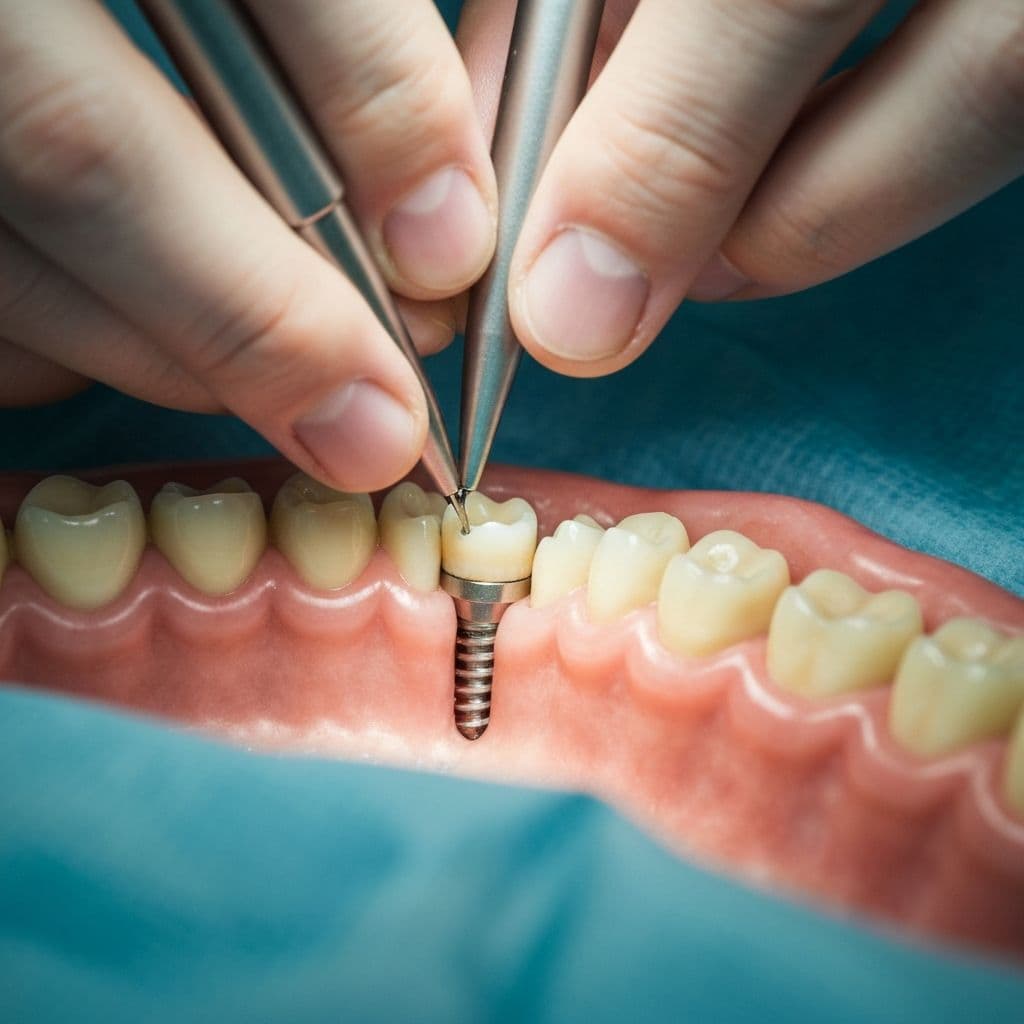
The following sequence is general education, not a procedure record for the fictional composite. If implant care is selected after examination and consent, a clinician may first coordinate treatment of disease and any necessary preparatory care. A surgical appointment would be planned around the person's anatomy and health, with anesthesia and comfort measures discussed in advance. The dental professional would describe the procedure, alternatives, common expected effects, material risks, and whom to contact after the visit.
An implant is a component placed in bone to support a restoration; it is not itself a natural tooth. Depending on the case, a healing period may be needed before the final crown, bridge, or other prosthesis is attached. Some situations allow a temporary restoration or a different sequence, while others do not. Bone or soft-tissue grafting may be considered in selected cases, but it is not automatic and should be justified by findings and explained separately.
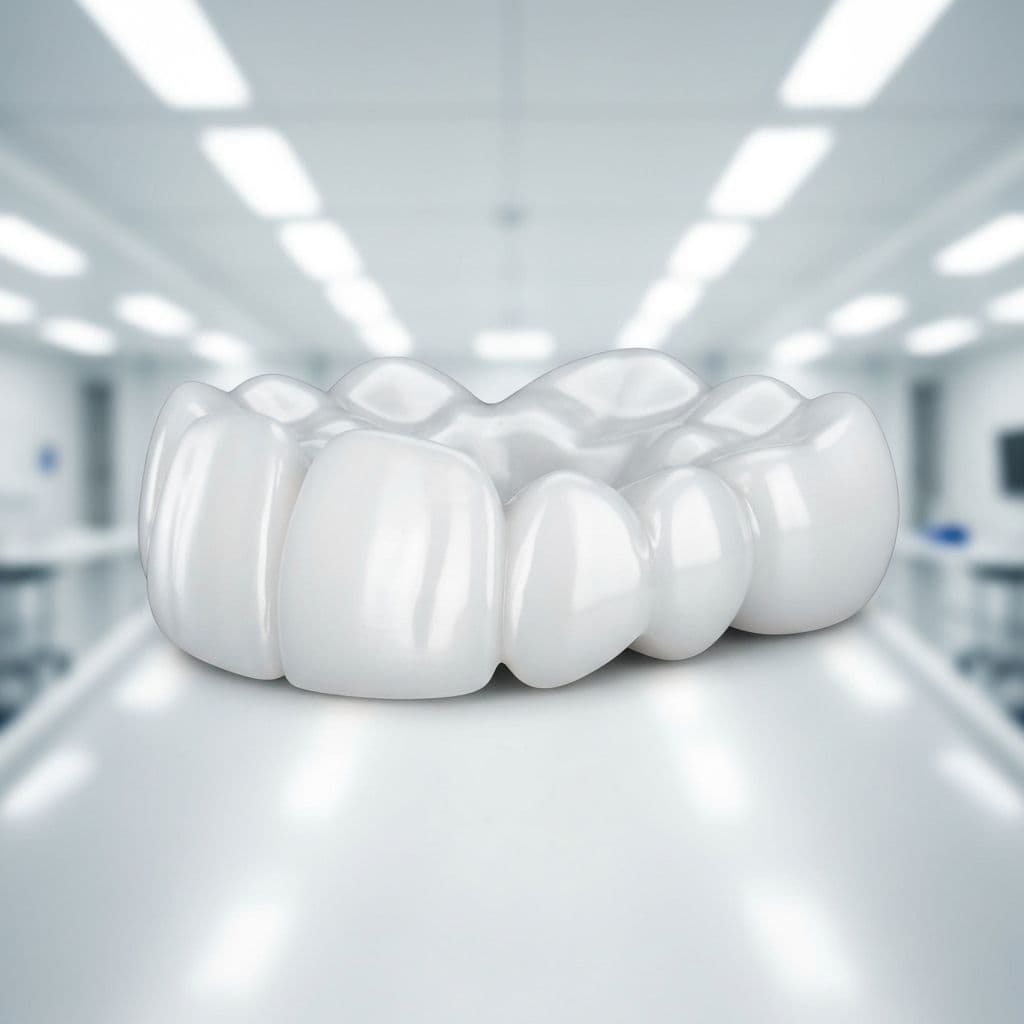
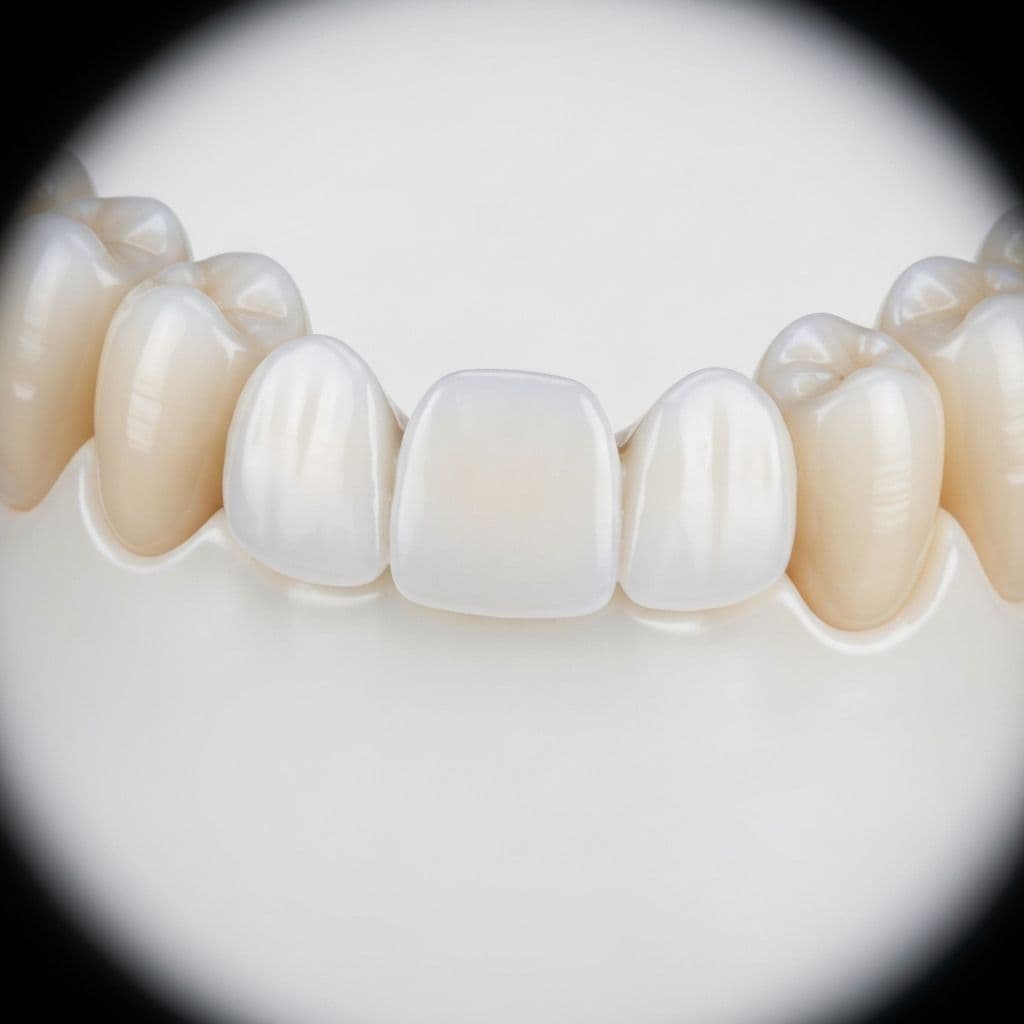
After healing is assessed, restorative steps can include recording the bite and shape, selecting materials and appearance with the patient, checking fit, and delivering the restoration. The final design must allow practical cleaning and fit the person's functional needs. A clinician should explain what sensations are expected, how to protect the site while healing, and which symptoms merit prompt review. This narrative does not assert that any hypothetical person underwent surgery or received a prosthesis.
- Confirm the diagnosis, medical review, anatomy, treatment choice, consent, and follow-up plan.
- Complete indicated preparatory care; use a temporary option when clinically suitable and desired.
- Perform implant placement only if the clinician determines it is appropriate and the patient consents.
- Monitor healing and complete restorative steps when clinical checks support proceeding.
- Provide personalized cleaning instruction and a scheduled maintenance pathway.
Comfort, consent, and coordination
The patient should be able to pause, ask questions, and revisit preferences before each major stage. In complex rehabilitation, more than one professional may contribute, so responsibilities and communication should be clear. A referral does not remove the need for the patient to understand the overall plan. If new information changes the risks or options, the clinician should explain the change and obtain consent before proceeding.
Illustrative treatment gallery
These general dental visuals are not photographs of the fictional scenario and are not before-and-after images. They do not represent a documented patient or clinical result.
Recovery and aftercare
General recovery education
Recovery differs with the procedure, individual health, and whether one or several sites are treated. After surgery, a clinician may provide tailored advice about eating, cleaning, activity, prescribed or recommended medication, and follow-up. Patients should use those instructions rather than a generic online schedule. Mild temporary effects can occur after oral procedures, but the treating team should explain what is expected for the specific intervention and how to reach them with concerns.
Contact the treating dental professional if symptoms are worsening, unexpected, or difficult to manage. Severe swelling, fever, persistent bleeding, rapidly increasing pain, or difficulty breathing or swallowing requires urgent assessment. Do not adjust medication or stop a prescribed course based solely on a general article. A healing check is important even when a person feels comfortable, because appearance alone does not confirm that an implant or restoration is ready for the next stage.
Results and outcomes
Possible goals, not promised outcomes
The goals of a replacement plan may include improving chewing options, restoring a space, supporting speech or appearance, and making daily function more comfortable. Whether those goals are achieved—and to what extent—depends on the person's starting conditions, selected option, healing, prosthesis design, maintenance, and many factors that cannot be predicted by this composite. No before-and-after claim is made here, and there is no hypothetical patient outcome to report.
A meaningful review would ask the patient how the restoration feels during everyday activities, whether it is cleanable, whether speech or bite needs adjustment, and whether expectations were met. The clinician would examine the restoration and surrounding tissues and decide whether monitoring, adjustment, repair, or further care is needed. A successful plan also includes realistic expectations: prostheses can require maintenance and may need repair or replacement over time.
Clinical discussion
Why full-mouth planning is more than implant placement
The phrase full-mouth rehabilitation can make a complex process sound like one fixed package. In practice, treatment planning is a series of linked decisions. Restoring one area can affect bite forces, cleaning access, appearance, and the condition of other teeth. A plan that focuses only on replacing spaces may overlook active disease or produce a restoration that is difficult to maintain. Coordinating prevention and preservation with replacement is therefore central to responsible care.
Implant planning balances the desired restoration with anatomy, health, patient priorities, and maintenance. There is a difference between technical feasibility and clinical suitability: an intervention may be possible but not the option that best fits an individual's goals or tolerance for risk. Transparent discussion of uncertainty, alternatives, and the possibility of changing course protects informed choice. The case deliberately avoids specific implant counts, materials, measurements, and survival statistics because those details cannot be responsibly assigned to a fictional individual.
Evidence, uncertainty, and follow-up
Dental evidence helps clinicians estimate likely benefits and complications across groups, but population averages cannot guarantee what will happen to one person. Individual prognosis depends on the diagnosis and context. A clinician should explain relevant evidence in a way that matches the decision, acknowledge limits, and invite questions. Aftercare and regular monitoring are not optional add-ons: they allow issues to be identified and addressed, and they support continuing evaluation of the patient's goals.
Potential benefits
Potential advantages to discuss
Depending on the case, implant-supported teeth can provide a way to replace spaces without using adjacent teeth as bridge supports. Some patients value a fixed restoration or the feel of a stable prosthesis. Those potential advantages must be weighed against surgery, healing, cost, anatomical limits, cleaning needs, and the possibility of complications or future maintenance. A removable or tooth-supported option may better match another person's priorities.
- May offer a fixed replacement option where clinically appropriate.
- May avoid preparing neighboring teeth solely to support a conventional bridge.
- Can be planned as part of a broader strategy that includes preservation and prevention.
- Benefits are conditional and individual; none is a guaranteed result.
Challenges and limitations
Risks and practical challenges
Challenges may include surgery-related discomfort, a longer sequence of visits, healing uncertainty, anatomical limitations, and the need for additional procedures in selected situations. Implants and their restorations can develop problems, and surrounding tissues need ongoing care. Financial cost, travel, time away from usual activities, and access to long-term follow-up may also influence whether treatment is realistic. A clinician should review patient-specific risks rather than relying on a generic checklist.
- Not every person or site is suitable for implant treatment.
- Additional diagnostic or preparatory treatment may change the plan.
- A restoration requires home care and professional monitoring.
- Alternatives, deferral, and a second opinion remain valid choices.
Patient education
Questions to take to a consultation
Patients can make more confident decisions when they understand the reason for each proposed step. Bring a medication list and relevant medical history, describe concerns and priorities, and ask for an explanation in everyday language. If several options are reasonable, request time to compare them and take a written plan home. A clinician should welcome questions and make clear which recommendations are urgent versus elective.
- What is the diagnosis at each site, and what findings support it?
- What are the reasonable alternatives, including no treatment for now?
- What risks or uncertainties apply to me, and what might change the plan?
- How will I clean the proposed restoration, and what maintenance will it need?
- What symptoms should prompt a call, and how do I contact the care team?
Frequently asked questions
Does everyone with missing teeth need dental implants?
No. A missing tooth does not automatically require replacement or an implant. Depending on the examination and the person's priorities, options may include a denture, bridge, implant-supported restoration, monitoring, or no replacement. A dentist can discuss likely consequences and trade-offs for the specific space.
How long does full-mouth implant rehabilitation take?
There is no single timeline. Assessment, disease control, surgery if chosen, healing, restoration, and maintenance can take different amounts of time. Anatomy, health, procedures, and clinical review affect timing. This fictional composite does not predict an individual's schedule.
Are the images in this case study a patient's before-and-after photos?
No. The local project images are illustrative assets and are not case-specific photographs. The case is a fictional composite, not a real record, and no patient outcome is claimed.
Can an implant be placed immediately after a tooth is removed?
In selected cases a clinician may consider immediate placement, while other situations call for a different sequence. The decision depends on clinical findings, anatomy, infection status, and the planned restoration. Only an in-person assessment can determine whether it is appropriate.
What should I ask before consenting to treatment?
Ask about the diagnosis, alternatives, benefits and risks for you, expected stages, healing, cost, maintenance, and what happens if the plan changes. You may request written information, time to decide, or another professional opinion.
Conclusion
A person-centered path to replacing missing teeth
This educational composite illustrates a planning process, not a successful treatment story about a real patient. Thoughtful rehabilitation begins with verified findings and the person's goals, treats disease before elective reconstruction when needed, and compares all reasonable options. Implant-supported treatment may be useful for some people, but it is not universal, risk-free, or guaranteed to succeed.
The most appropriate next step for a reader is a consultation with a qualified dental professional who can examine the mouth, review health history, explain uncertainty, and answer questions. Use this article as a conversation guide, not as a diagnosis or individualized treatment recommendation. Any decision should be informed, voluntary, and accompanied by a realistic plan for follow-up and maintenance.
This educational scenario is not medical advice and should not be used to self-diagnose or choose treatment. Consult a qualified dental professional for an examination and individualized guidance.