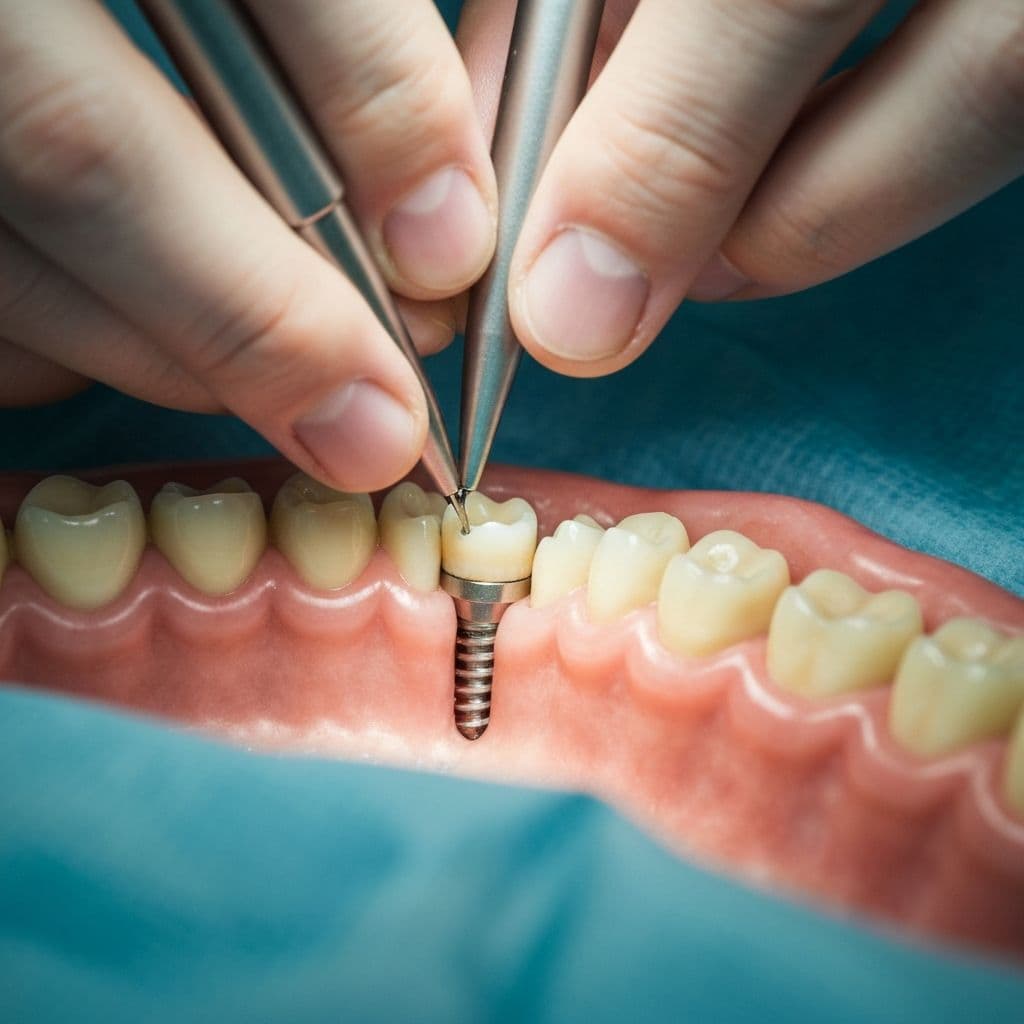
This is an illustrative, fictional case study—not a real patient record. The images are general illustrations, not case-specific photographs or before-and-after results. Individual diagnosis, treatment, timing, risks, and outcomes vary.
Introduction
A fictional case for education, not a treatment result
This illustrative composite is fictional and is not a real patient's record, scan, treatment simulation, or before-and-after result. It contains no actual measurements, age, diagnosis, aligner sequence, adherence history, or outcome. Its purpose is to explain how an orthodontic professional may evaluate a request for clearer, removable aligners and why treatment suitability cannot be decided from appearance alone.
Clear aligners are removable appliances used in selected orthodontic plans. They are not appropriate for every movement or every patient, and a digital preview is a proposed plan rather than a guarantee of tooth movement. Diagnosis, monitoring, oral health, wear, and retention all matter. Braces or another approach may provide better control for some treatment goals. The right comparison depends on clinical findings and the patient's preferences.
- The scenario is invented and does not claim treatment took place.
- Illustrative images are not patient scans or case-specific photographs.
- Treatment time and tooth movement vary; no outcome is guaranteed.
Alignment is a biological process
Orthodontics applies controlled forces to teeth and supporting tissues. The process requires professional diagnosis, a realistic plan, periodic review, and patient participation. Removable appliances create convenience but depend on being worn as instructed and kept clean. Teeth can move differently from a digital model, and a clinician may revise the plan. A responsible consultation explains this uncertainty before a person purchases or begins a course of care.
Patient overview
Hypothetical request for straighter teeth
For education only, consider an adult who asks whether clear aligners might help with a concern about tooth position. No age or alignment pattern is assigned to this fictional placeholder. A real orthodontic assessment would include the person's goals, dental and medical history, current restorations, oral hygiene, bite, and a clinical examination. Photographs, radiographs, or scans may be used when justified, but no such records exist for this composite.
The person may value a removable appliance, a less noticeable appearance, or the ability to eat without an appliance in place. They should also consider the discipline required for wear, cleaning, safe storage, and follow-up. A removable option is not necessarily easier overall. The clinician should invite discussion of budget, schedule, travel, and expectations, without promising that aligners will accomplish every desired change.
- Patient priorities and ability to follow the plan: to be explored.
- Bite and alignment findings: unknown in this fictional example.
- No particular aligner brand, tray count, or treatment result is asserted.
Chief complaint
What 'teeth alignment' may mean to a patient
A patient may describe crowding, spacing, a rotated tooth, difficulty cleaning, or concern about the smile. These are possible reasons to seek advice, not findings about a real person. A clinician asks which change matters most and whether there are functional concerns such as chewing difficulty or discomfort. Appearance is a valid concern, but the plan must also consider bite, gum health, tooth structure, and stability.
The practitioner also asks about previous orthodontics, retainers, dental restorations, jaw symptoms, and oral habits. A recent change in tooth position, pain, trauma, swelling, or gum bleeding may need evaluation independent of an elective alignment request. The patient's own description is a starting point, not a diagnosis or proof that a particular appliance will be suitable.
Goals and trade-offs
The patient and clinician can define a priority list, such as improving a particular space or making brushing easier, while discussing what may not be achievable. A perfect symmetry goal may not be biologically or practically realistic. The clinician should explain the difference between a limited alignment plan and comprehensive orthodontic treatment, and clarify whether other dental care should come first.
Initial examination and clinical findings
What orthodontic assessment involves
A real orthodontic examination evaluates tooth positions, how the upper and lower teeth meet, jaw relationships, gum and bone health, and oral hygiene. The clinician also considers facial features and the movement needed to meet the patient's goals. Records may include photographs, impressions or digital scans, and radiographs when clinically appropriate. Each record should serve a diagnostic or planning purpose. This fictional example reports no angles, measurements, tooth positions, or scan results.
The practitioner checks whether cavities, gum inflammation, or other dental problems need treatment before orthodontic appliances are used. Existing crowns, implants, bridges, or missing teeth may affect the plan because not every dental structure moves in the same way. Habits such as clenching, tongue posture, or inconsistent retainer use may also be relevant. A generic online simulation cannot evaluate these individual factors.
Clear aligners may be suitable for some movements, while other movements can be less predictable or require attachments, elastics, interproximal reduction, auxiliary appliances, or a different method. Those features should only be proposed after diagnosis and explained individually. The clinician should discuss how progress will be monitored and what happens if the teeth do not track as expected. A digital setup is a planning aid, not a contractual guarantee of a final appearance.
- Alignment, bite, jaw relationship, and periodontal condition.
- Current oral health and any restorations or missing teeth that affect movement.
- Records chosen to support diagnosis and treatment planning.
- Patient capacity for wear, hygiene, visits, and long-term retention.
Checking suitability rather than relying on marketing
Suitability depends on the complete diagnosis and clinician's judgment. A product description that labels a case simple or mild cannot replace examination. The patient should know who is supervising treatment, how frequently progress is reviewed, how urgent concerns are handled, and whether an in-person assessment is part of care. Monitoring matters because tooth movement and gum response must be evaluated over time.
Diagnosis and problem assessment
No alignment diagnosis is assigned
There is no real patient examination, so this case study makes no orthodontic diagnosis. A qualified clinician would describe the confirmed alignment and bite findings, identify oral health issues, and assess whether requested movements are feasible and appropriate. The patient should receive an explanation of what is being corrected and what is not included in the proposed plan.
Clear aligners should not be prescribed solely from a photograph or self-reported concern. A complete assessment can reveal issues not obvious in a smile image, including bite discrepancies, gum limitations, root positions, or a need for different records. If the diagnosis is complex or outside a clinician's scope, referral to an orthodontist may be appropriate.
Treatment options and selected plan
Planning movement, monitoring, and retention
A hypothetical treatment plan would begin by deciding whether orthodontic treatment is needed or desired and whether aligners can reasonably meet the defined goal. The clinician discusses alternatives such as fixed braces, a limited or comprehensive plan, or no treatment. No treatment can be an appropriate choice when benefits do not outweigh burden or when the patient is not ready to comply. If aligners are selected, the clinician explains anticipated movements, limitations, attachments or other auxiliaries if relevant, and the process for reviewing progress.
The patient needs clear instructions for wearing and handling the appliances. The required daily wear schedule is determined by the treating clinician and product protocol; this article does not prescribe a universal number of hours. Trays should be removed for eating when directed, cleaned as instructed, and stored safely. The patient should understand that missed wear may delay progress or affect tracking and that a new tray should not be forced over a problem without professional guidance.
Retention belongs in the plan from the beginning. Teeth can shift after active treatment, so a retainer and long-term follow-up are commonly discussed. The type and schedule depend on the clinician's assessment. A realistic plan includes oral hygiene, dental checkups, progress reviews, and a pathway for problems such as a lost tray, poor fit, discomfort, or unexpected tooth movement.
- Complete orthodontic and dental assessment, with records selected for the case.
- Agree on goals, compare aligners with braces and other options, and confirm informed consent.
- Use appliances as prescribed and attend progress checks; report fit or health concerns.
- Revise the plan or use additional treatment when clinical review indicates it is needed.
- Transition to clinician-directed retention and ongoing dental care.
Informed choice and supervision
Before starting, ask who is responsible for diagnosis, treatment planning, and responding to complications. Understand whether appointments are in person, how scans are reviewed, and how often the clinician expects to assess gum health and movement. A patient should be able to contact a qualified professional and should not be left to make clinical changes independently. The ability to stop or seek another opinion should be respected.
- What movements are planned, and which goals may remain unmet?
- How is progress checked, and who should I contact if a tray does not fit?
- What retention is expected after active movement ends?
Illustrative sequence only
Treatment timeline
These stages describe a possible planning framework, not the history of an actual patient. Scheduling and healing vary and should be confirmed by the treating clinician.
- 01
Consultation and diagnostic records
Before a treatment decisionDiscuss goals, examine alignment and oral health, and obtain only appropriate records. No specific patient findings are implied.
- 02
Planning and consent
After assessmentCompare appliance choices, discuss limitations and risks, and agree on monitoring and retention.
- 03
Active aligner phase, if chosen
Individualized and dependent on movement and responseWear appliances as prescribed and attend reviews. This composite does not specify a treatment duration or tray count.
- 04
Review and possible refinement
When progress is clinically evaluatedAssess tracking, bite, and oral health; the clinician may adapt the plan as needed.
- 05
Retention
Long-term; instructions varyUse retainers as directed and continue follow-up to help maintain alignment.
Treatment procedure
General clear-aligner workflow
After diagnosis and consent, a clinician may collect a scan or impression and other records to plan the intended movements. A digital model can help communicate the proposed sequence but does not ensure the teeth will follow it exactly. Some plans require attachments bonded to teeth or other auxiliaries. If enamel reshaping between selected teeth is proposed, its purpose and irreversible nature should be explained and consented to before it occurs.
The patient receives a series of removable trays and instructions on sequence, wear, cleaning, and storage. The clinician schedules reviews to assess tracking, oral health, and whether the plan needs adjustment. Patients should not skip trays, extend or shorten a sequence, or use unprescribed products to force movement. If a tray is lost, cracked, painful, or does not seat, contact the treating office for advice.
At the end of active movement, the clinician evaluates alignment and bite and discusses any refinement or additional treatment. Retainers are then prescribed according to the case. Retention is essential to discuss because teeth naturally respond to changes in forces and can relapse. This generic workflow does not claim that the fictional person started or completed aligner therapy.
- Collect records and create a clinician-reviewed movement plan.
- Fit appliances and explain wear, hygiene, and how to handle problems.
- Attend scheduled reviews so tracking and gum health can be checked.
- Complete refinement only if recommended after assessment.
- Wear retainers as instructed and continue routine dental care.
Monitoring keeps care responsive
Review visits let the clinician check whether planned movements are occurring safely and whether the gums and teeth remain healthy. If tracking changes, the answer may be a pause, a revised scan, refinements, a different appliance, or a revised goal. That is a clinical decision. A patient should never be made to feel at fault for raising a concern; timely communication helps the team respond appropriately.
Illustrative treatment gallery
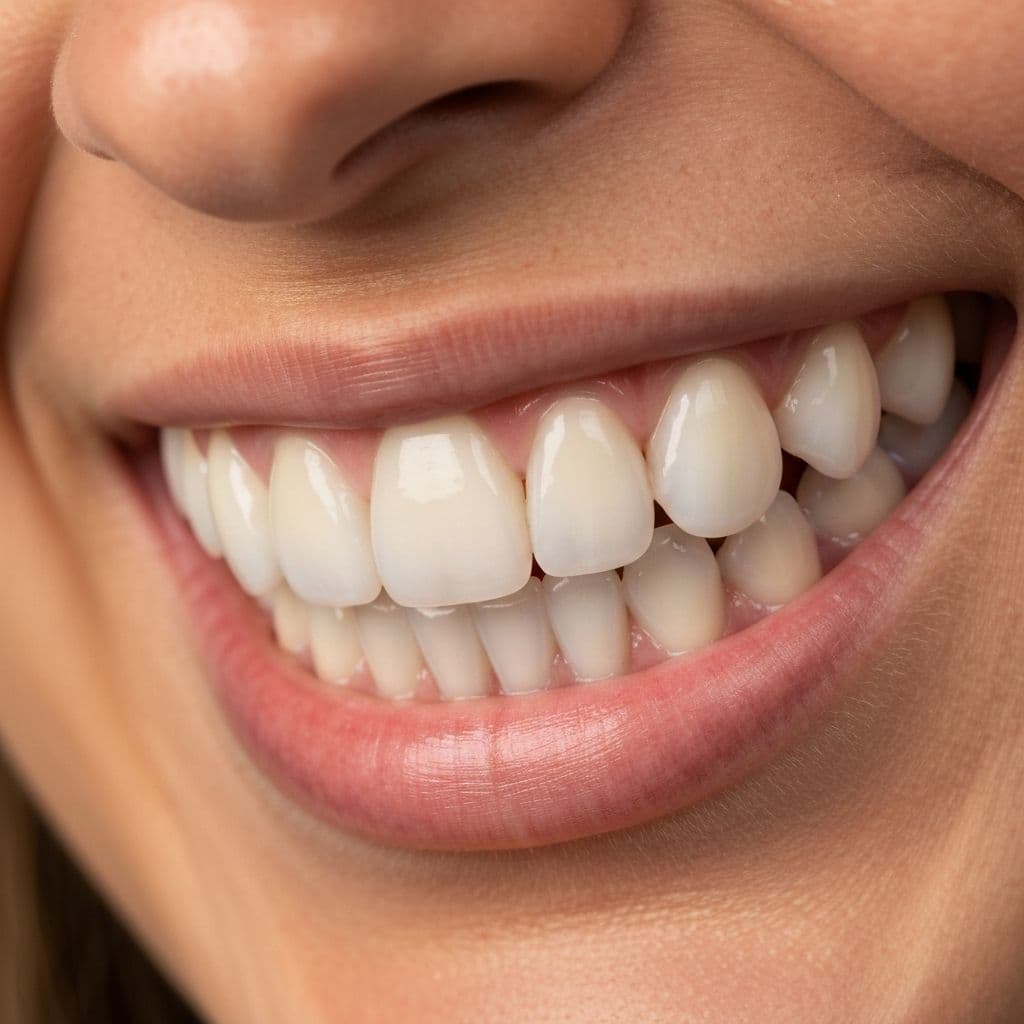
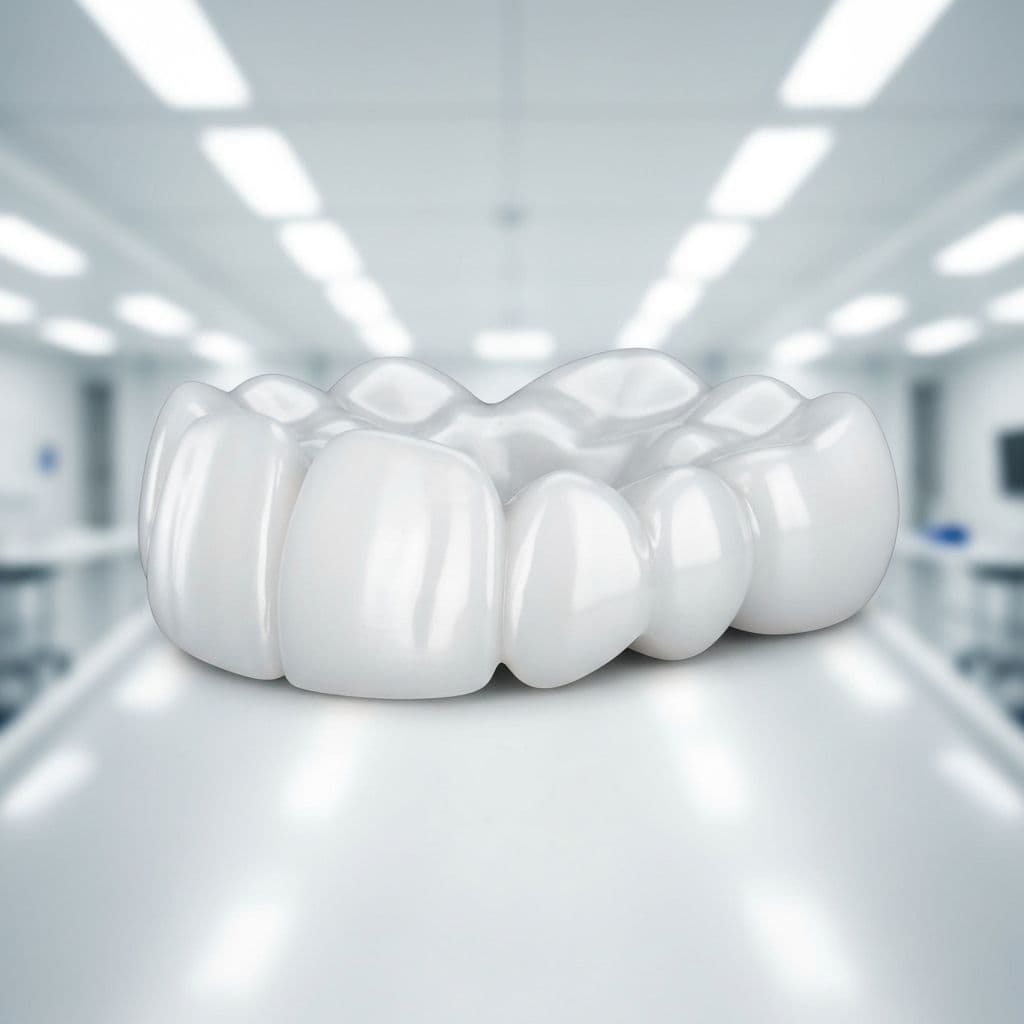
These general dental visuals are not photographs of the fictional scenario and are not before-and-after images. They do not represent a documented patient or clinical result.
Recovery and aftercare
Adapting to removable appliances
A person may notice pressure, temporary tenderness, speech changes, or extra saliva when beginning a new tray, but experiences vary. Follow the treating clinician's instructions and contact the practice if pain is severe, a sharp edge injures tissue, or the appliance cannot be seated as directed. Do not trim or alter an appliance unless the clinician instructs you to do so. Persistent pain or swelling deserves professional assessment.
Remove aligners for food and drink as instructed, and clean teeth before reinserting them when possible. Keep appliances in their case when not worn to reduce loss or damage. Maintain routine brushing, interdental cleaning, and dental visits. If a tray is lost or broken, ask the clinician whether to use the previous or next tray; a general article cannot safely determine the appropriate step for an individual treatment sequence.
Results and outcomes
Movement and satisfaction cannot be guaranteed
The goal of orthodontic care may be to improve selected aspects of alignment or bite, but tooth movement is biological and varies. A digital preview depicts a proposed plan, not a guaranteed result. Wear, tissue response, anatomy, and clinical adjustments can influence progress. This fictional composite has no actual scan, alignment change, or treatment result to report.
A review should assess both the clinician's objectives and the patient's experience: comfort, cleaning, bite, and whether the agreed priorities were addressed. Even after active treatment, retention is needed to help limit relapse, and no retainer eliminates all possibility of change. The clinician should explain realistic expectations and any remaining limitations before concluding treatment.
Clinical discussion
The limits of simulated tooth movement
Digital treatment planning is useful for visualizing a proposed sequence, but actual tooth movement can differ. The model depends on accurate diagnosis and records, biological response, appliance design, wear, and monitoring. Marketing depictions of a perfectly aligned smile should not be mistaken for a personalized forecast. The clinician should explain where uncertainty exists and how the plan would adapt if teeth do not track.
Remote convenience does not remove the need for professional oversight. Orthodontic movement can affect roots, gums, bite, and existing dental work. A careful plan includes appropriate examination, diagnostic records, review intervals, and access to care if concerns arise. Patients can ask whether an orthodontist's evaluation is appropriate and who is accountable for clinical decisions.
Retention is part of treatment, not an afterthought
Teeth can move after active orthodontic treatment. Retainers help maintain position but rely on fit, consistent use, and monitoring. The clinician should discuss type, care, replacement, and what to do if a retainer is lost or no longer fits. Long-term retention expectations can influence whether a patient wishes to begin treatment at all.
Potential benefits
Potential advantages of aligners
For selected cases, removable clear aligners may be less conspicuous than some fixed appliances and can be removed for eating and cleaning. These features can suit some lifestyles. Their success still depends on diagnosis, appropriate case selection, adherence, monitoring, and retention. Appearance and convenience should not overshadow the biological and practical requirements of orthodontic care.
- Removable design may support eating and cleaning flexibility.
- May be less visually prominent than some fixed appliances.
- Can be appropriate for selected movements under professional supervision.
- Convenience does not mean guaranteed or unsupervised tooth movement.
Challenges and limitations
Limitations and responsibilities
Aligners require reliable wear and careful handling. They can be misplaced, damaged, or fail to track as planned. Some movements may be less predictable, and attachments or additional treatment may be needed. Oral hygiene remains important because appliances can affect how teeth are exposed to food and plaque. Retainers and follow-up create ongoing responsibilities after the active phase, and cost or schedule may be significant.
- Not every malocclusion or movement is suitable for aligners alone.
- Missed wear or poor fit should be discussed, not managed by guessing.
- Treatment may need revision, refinement, or a different appliance.
- Retention and regular dental care continue after active treatment.
Patient education
Questions before starting aligners
Before beginning, ask for a diagnosis and a plain-language explanation of the plan. Learn how the clinician will monitor progress and how to get help. Ask what is included in the quoted fee and whether refinements, retainers, or replacement trays are separate. A person should understand the expected daily routine and be comfortable committing to it before choosing removable treatment.
- Who diagnoses and supervises my orthodontic care?
- Are aligners suitable for all the movements I want?
- What are the risks to teeth, roots, gums, and bite in my situation?
- What should I do when a tray is lost, damaged, or does not fit?
- What retention and follow-up will be expected after active care?
Frequently asked questions
Do clear aligners work for everyone?
No. Suitability depends on diagnosis, the movements needed, oral health, and clinician judgment. Some cases may need braces, auxiliaries, combined care, or no treatment. An examination is needed before a recommendation.
Can a digital preview guarantee my final smile?
No. A preview is a proposed movement plan, not a guarantee. Biological response, adherence, and clinical findings affect the result, and the plan may need adjustment.
What happens if an aligner does not fit?
Contact the treating clinician for instructions. Do not force the tray or change the sequence on your own. The appropriate action depends on the treatment stage and clinical assessment.
Will I need a retainer after aligners?
Retention is commonly part of orthodontic planning because teeth can shift after active treatment. The type and wear instructions vary. Discuss long-term retention before treatment begins.
Does this case study show a real aligner patient?
No. This is a fictional composite. The images are illustrative project assets, not patient scans, orthodontic records, or before-and-after photographs.
Conclusion
Choose aligners only after an orthodontic assessment
This fictional composite demonstrates that clear aligners are a clinical treatment, not simply a set of trays or a guaranteed digital transformation. Diagnosis, suitability, wear, monitoring, oral health, and retention all contribute to a responsible plan. No individual alignment or outcome is claimed.
If you are considering orthodontics, arrange an assessment with a qualified dental professional and compare aligners with other options. Ask how progress is supervised and what long-term retention involves. This article is educational only and cannot diagnose your bite or predict whether aligners will meet your goals.
This educational scenario is not medical advice and should not be used to self-diagnose or choose treatment. Consult a qualified dental professional for an examination and individualized guidance.