This is an illustrative, fictional case study—not a real patient record. The images are general illustrations, not case-specific photographs or before-and-after results. Individual diagnosis, treatment, timing, risks, and outcomes vary.
Introduction
An explicitly fictional periodontal composite
This educational case study is a fictional composite, not a real patient record, diagnosis, or treatment report. It contains no measured pocket depths, bleeding scores, radiographs, medical history, or actual response to care. It describes how a dental team may approach a concern about gum health while emphasizing that periodontal conditions vary and must be diagnosed through a clinical examination.
Periodontal care is not a single cleaning appointment. It can involve assessment, professional removal of deposits, personalized home-care instruction, management of contributing factors, reassessment, and ongoing maintenance. Some people need additional treatment or specialist care. The goals are to control disease, protect oral health, and support function; no article can promise that gums will return to a particular appearance or that teeth will never be lost.
- Fictional composite only; no real patient's health details are used.
- All images are local illustrative assets, not periodontal before-and-after photos.
- Diagnosis and treatment recommendations require individual professional assessment.
Gum health needs consistent attention
Gum disease may progress with few obvious symptoms, and bleeding does not by itself establish the extent or cause of a problem. Assessment considers the gums, supporting tissues, plaque and calculus, teeth, medical history, and other relevant factors. Early attention and a practical home-care routine can help support oral health, but the right intervention depends on the individual. A clinician should make the findings understandable and agree on an achievable plan.
Patient overview
Hypothetical reason for a gum consultation
For educational purposes, imagine a person asking about bleeding during brushing or concern about gum health. This is not an actual patient's symptom report. A real dental professional would ask about duration, oral hygiene, previous dental care, tobacco or nicotine use, relevant health conditions, medications, and any discomfort or tooth mobility. Those details are gathered respectfully and used in context; none are supplied for this fictional person.
The person may want to stop bleeding, protect teeth, improve breath, or understand whether treatment is needed. The clinician should avoid blame and explain that gum health is influenced by a combination of local and individual factors. Advice must be practical for the person's dexterity, schedule, access to supplies, and preferences. Maintenance is a partnership rather than a one-time instruction.
- History, risk factors, and goals would be discussed in a real visit.
- No stage or severity of periodontal disease is assigned here.
- No treatment response or tooth-loss outcome is claimed.
Chief complaint
Listening to gum-health concerns
A person may notice bleeding when brushing, gum tenderness, persistent bad breath, recession, changes in tooth spacing, or a feeling that a tooth moves. These are possible reasons to seek care, not reported findings in this composite. Some signs have causes other than periodontal disease, and periodontal changes can be present without pain. A professional examination is needed to determine what is happening and whether another condition should be considered.
The clinician asks about when changes began, whether they are worsening, brushing and interdental cleaning habits, previous treatment, and any systemic symptoms. Swelling, pus, fever, facial swelling, or rapidly increasing pain merits prompt professional assessment. Difficulty breathing or swallowing is an emergency. A reader should not wait for a routine cleaning if symptoms are severe or spreading.
Make the plan achievable
A patient may have had discouraging experiences or find flossing difficult. The dental team can ask what tools and techniques are realistic, demonstrate alternatives, and agree on one or two practical changes. A sustainable plan is more useful than a long list that feels impossible. Patients should be able to say when cost, sensitivity, dexterity, or time is a barrier so the clinician can adapt recommendations.
Initial examination and clinical findings
How a periodontal assessment is built
A real periodontal evaluation may record gum appearance, bleeding on probing, pocket measurements, recession, mobility, plaque and calculus, and other findings. Radiographs may be reviewed or obtained when indicated to assess supporting bone and other concerns. The clinician considers these observations with medical and dental history rather than diagnosing from bleeding alone. No values, disease stage, tooth number, or imaging interpretation are invented for this fictional case.
A comprehensive assessment also considers the condition of the teeth, restorations, bite, and oral hygiene. Plaque-retentive factors may make cleaning harder, and restorations or appliances may need review. Some health conditions, medications, smoking or nicotine exposure, and other individual factors can influence gum health or healing. These are discussion points, not assumptions about a patient, and should be handled without stigma.
The dental professional explains what the measurements mean, distinguishes active inflammation from longer-term tissue changes, and identifies areas where the patient can influence daily plaque control. If findings are complex, disease is advanced, or response to initial care is limited, referral to a periodontist may be appropriate. A patient can ask to see the charting or images and to have unfamiliar terminology explained.
- Gum measurements and signs of inflammation, recorded consistently.
- Plaque, calculus, recession, tooth mobility, and cleaning access.
- Supporting bone assessment when indicated by clinical findings.
- Relevant medical, medication, tobacco, and dental history.
Avoiding a one-size-fits-all label
Gingivitis and periodontitis are not interchangeable labels, and severity cannot be determined from a photograph or a symptom list. Accurate diagnosis uses professional measurements and appropriate imaging. The patient should understand which findings are reversible with improved plaque control and which represent loss of supporting tissue that may require long-term monitoring. This composite intentionally reports no stage, grade, or prognosis.
Diagnosis and problem assessment
Diagnosis requires measured findings
No periodontal diagnosis is made in this fictional example. A clinician would determine whether inflammation is limited to the gums or whether supporting tissues are affected, document extent and severity, and consider contributing factors. The diagnosis guides treatment intensity and review intervals. A concern about bleeding alone is not enough to assign a disease stage or predict tooth loss.
If the cause is uncertain, the professional may gather additional information or reassess after initial care. The diagnosis should be communicated in plain language, including what can improve and what requires maintenance. Patients deserve a nonjudgmental explanation and a chance to clarify how their daily routine and health history may affect the plan.
Treatment options and selected plan
Stepwise management and maintenance
A hypothetical plan begins with explaining verified findings and establishing an individualized daily plaque-control routine. Professional cleaning or nonsurgical periodontal instrumentation may be recommended according to the diagnosis. The clinician can demonstrate brushing and interdental cleaning, choose tools that fit the patient's needs, and address factors that make cleaning difficult. Treatment should be planned in partnership, with realistic goals and clear instructions.
When deposits are present below the gumline or periodontal disease is diagnosed, the dentist or hygienist may recommend more extensive nonsurgical care and then reassess tissue response. Some patients need additional treatment or referral; others may benefit primarily from preventive care and monitoring. The plan should not promise that one procedure will cure a chronic condition. The patient should know how many areas or visits may be involved only after an actual examination.
After active treatment, supportive periodontal maintenance is scheduled according to the person's risk and response. These visits complement, rather than replace, daily home care. The dental team monitors changes, reinforces techniques, and revises the interval when necessary. If a patient cannot attend the suggested schedule, discuss barriers and alternatives instead of silently abandoning care. A written plan can make responsibilities clear.
- Document periodontal findings and explain diagnosis, risk factors, and goals.
- Agree on tailored brushing and interdental cleaning methods.
- Provide indicated professional periodontal care and manage contributing factors.
- Reassess response and refer or modify treatment if findings warrant.
- Continue individualized supportive maintenance and routine dental care.
Home care is personalized, not punitive
Daily plaque removal is important, but technique and tool choice vary. A clinician may demonstrate an appropriate toothbrush, interdental brush, floss, or other aid based on spacing and dexterity. Patients should ask for hands-on instruction and tell the team if a tool causes pain or is difficult to use. The goal is to support healthy tissues with a routine the person can maintain, not to assign blame for disease.
- Which areas need the most attention, and can you show me how to clean them?
- Would another interdental tool be easier or more suitable?
- When should the gums be reassessed, and what changes should I report?
Illustrative sequence only
Treatment timeline
These stages describe a possible planning framework, not the history of an actual patient. Scheduling and healing vary and should be confirmed by the treating clinician.
- 01
Baseline evaluation
At initial assessmentRecord gum and supporting tissue findings, review history, and agree on what further diagnosis is needed.
- 02
Initial prevention and professional care
Scheduled to match diagnosis and individual needsBuild a daily cleaning routine and provide indicated professional treatment; no visit count is asserted.
- 03
Reassessment
After an appropriate healing and review interval set by the clinicianCheck response and decide whether maintenance, additional treatment, or specialist input is needed.
- 04
Supportive periodontal maintenance
Ongoing and individualizedContinue professional monitoring and cleaning at a risk-based interval, alongside daily home care.
- 05
Routine dental health review
As recommended by the treating teamMonitor teeth, gums, restorations, and any changes; raise new symptoms promptly.
Treatment procedure
What nonsurgical periodontal care may include
The exact procedure depends on diagnosis. Professional care may include removal of plaque and calculus above and, when indicated, below the gumline. For periodontal instrumentation, the clinician may divide treatment by areas or visits and discuss local anesthesia or comfort measures. This is general education, not a report of care delivered to the fictional patient. The clinician should explain what will be done, why, and what sensations or temporary effects may occur.
Home-care coaching is an active part of treatment. The dental professional can assess the person's existing technique, demonstrate how to angle a brush and clean between teeth, and suggest tools matched to anatomy. If there are restorations, implants, or orthodontic appliances, instruction may need adapting. A patient should not force an interdental tool into a space or continue a method that causes injury without asking for guidance.
After treatment, a reassessment helps determine response. Inflammation and bleeding may improve with effective plaque control and professional care, but tissue changes and individual healing vary. Further care or specialist review may be recommended if disease remains active. Ongoing maintenance is planned to help monitor stability. The article does not claim that any fictional person received a particular procedure or experienced improvement.
- Review health history, diagnosis, planned areas, comfort needs, and consent.
- Perform indicated professional cleaning or instrumentation using appropriate technique.
- Provide individualized home-care coaching and answer questions.
- Reassess tissue health and adjust or refer according to the clinical response.
- Maintain routine follow-up based on the patient's actual needs.
Professional care and daily habits work together
A professional cleaning cannot remove the need for daily plaque control, and home brushing cannot always remove hardened deposits or assess tissue support. The two forms of care serve different purposes. The team should explain how they complement one another and make a practical plan for continuing care. If access or cost makes follow-up difficult, discuss the issue openly so feasible options can be considered.
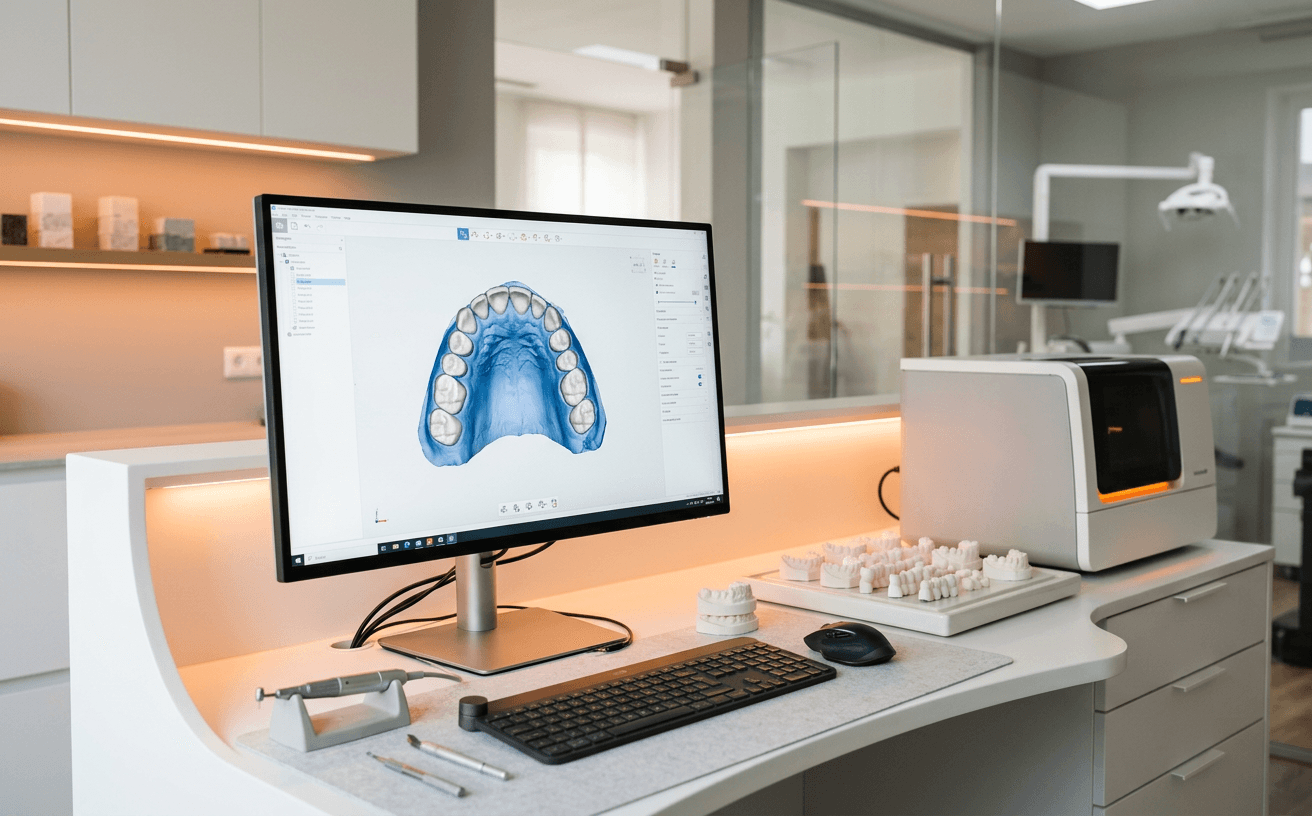
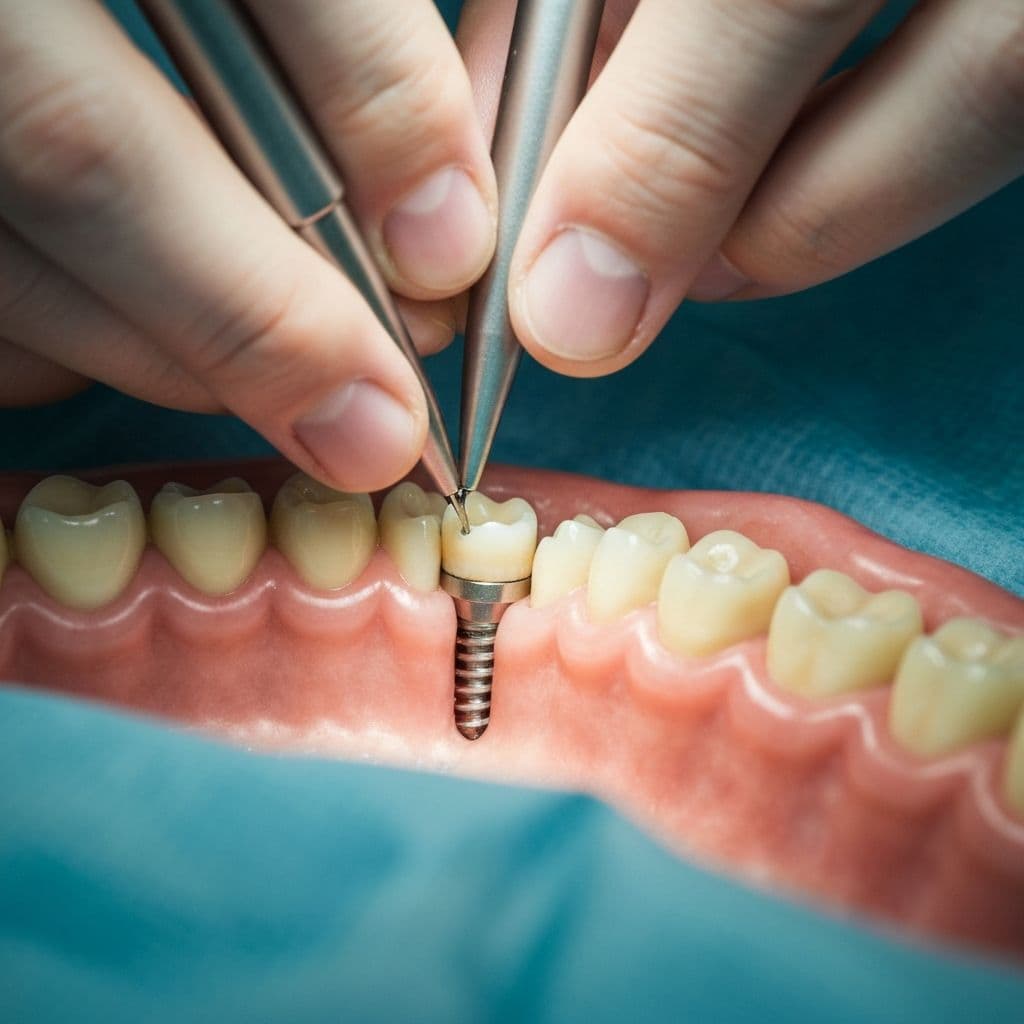
Illustrative treatment gallery
These general dental visuals are not photographs of the fictional scenario and are not before-and-after images. They do not represent a documented patient or clinical result.

Recovery and aftercare
After a periodontal appointment
Temporary tenderness, sensitivity, or minor bleeding can occur after some forms of gum treatment, but expected effects depend on the procedure and individual. Follow the clinician's written instructions and ask about pain relief, brushing, eating, and rinsing if guidance is unclear. Do not use harsh home remedies or stop cleaning the area without professional advice. A dental professional can tailor instructions to the treatment performed.
Call the practice if pain is worsening, bleeding is persistent, swelling develops, or you are unsure how to clean an area. Fever, facial swelling, difficulty swallowing or breathing, or severe symptoms need urgent assessment. Follow-up visits are part of care, not only a response to symptoms. If a recommended maintenance visit is difficult to arrange, tell the team so options can be discussed.
Results and outcomes
Track health, not just appearance
Periodontal care may aim to reduce inflammation, control disease, preserve supporting tissues, and help the patient maintain comfortable oral function. Response varies, and existing recession or lost support may not simply reverse. This fictional composite reports no measured change, reduced bleeding, pocket improvement, or saved tooth. Such claims would require actual records and follow-up.
A clinician evaluates response using comparable findings over time and the patient's experience. Improvement in symptoms does not necessarily mean disease is fully controlled, while persistent measurements may need further evaluation. Continued maintenance and home care remain important. If the plan is not working or is difficult to follow, the patient and team can revisit the diagnosis and approach together.
Clinical discussion
Periodontal care is ongoing disease management
Gum disease management is often best understood as an ongoing process rather than a one-time cure. Active treatment aims to reduce harmful deposits and inflammation; maintenance helps detect recurrence or progression. The degree of change and the needed schedule depend on the person's diagnosis and risk. Clear explanations help patients understand why routine visits may continue even when the gums feel better.
Clinical communication should be evidence-informed and nonjudgmental. Patients may face barriers such as sensitivity, limited dexterity, anxiety, finances, or access to care. Addressing those realities can improve the practicality of a plan. The clinician should distinguish modifiable habits from factors outside the patient's control and avoid guaranteeing that any one behavior will prevent all disease.
Systemic health and professional boundaries
Oral and general health can interact, but a dental case study should not claim that gum treatment cures systemic illness. Relevant medical conditions and medications should be reviewed with appropriate clinicians. Patients should not change prescribed medicines or delay medical care based on dental marketing. A dentist can coordinate with a physician when the patient's circumstances make that useful.
Potential benefits
Potential aims of periodontal treatment
A tailored periodontal plan may help control local inflammation, remove deposits that are difficult to clean at home, support healthier routines, and monitor changes in supporting tissues. Professional guidance can make home care more effective and identify areas that need attention. Benefits depend on diagnosis, response, and continued maintenance; treatment does not erase every risk or guarantee that teeth will remain unchanged.
- Can target deposits and inflammation based on clinical findings.
- Provides a chance to learn cleaning techniques suited to the individual.
- Creates a schedule for monitoring and responding to changes.
- Requires continued daily care and professional follow-up.
Challenges and limitations
Barriers, risks, and limitations
Treatment can involve multiple visits, temporary sensitivity, and ongoing maintenance. Some periodontal tissue changes may be permanent, and advanced disease may require specialist or surgical care. Daily cleaning can be challenging with pain, limited dexterity, appliances, or cost constraints. A patient may also need support addressing tobacco use or other health factors. The clinician should explain likely challenges and collaborate on a plan rather than promising a simple cure.
- Treatment intensity depends on measured disease, not a generic symptom.
- Ongoing care may be necessary to maintain stability.
- Some tissue or bone changes may not be reversible.
- Discuss practical and financial barriers so care can be adapted.
Patient education
Building an effective daily routine
Brush gently and regularly with a method recommended by your dental professional, and clean between teeth using an aid that fits the spaces. Technique matters; ask for a demonstration rather than assuming a product will solve every issue. Replace worn tools and discuss sensitivity or bleeding. Keep routine dental appointments even if symptoms settle, because examination can detect changes that are not obvious at home.
- What does my periodontal chart show, and what does the diagnosis mean?
- Which sites need a different cleaning approach?
- How often should I return, and what will be reviewed?
- Could my medications or health history affect the plan?
- What symptoms should lead me to contact the office promptly?
Frequently asked questions
Does bleeding gums always mean periodontal disease?
No. Bleeding can have different causes, and it does not reveal the extent of disease by itself. A dental professional can examine the gums, record measurements, and determine whether periodontal disease or another issue is present.
Can gum disease be cured with one deep cleaning?
There is no one-size-fits-all answer. Professional treatment may be part of care, but diagnosis, home plaque control, reassessment, and ongoing maintenance are important. Some conditions need additional or specialist treatment, and response varies.
Will gum treatment make receded gums grow back?
Treatment may help control inflammation but does not necessarily restore tissue that has receded or supporting bone that has been lost. A clinician can explain what changes are possible and whether other options are appropriate.
How often should I have periodontal maintenance?
The interval should be individualized based on diagnosis, risk, and response. Follow the schedule recommended by your dental team and discuss barriers or changes in symptoms.
Is this a real gum-treatment patient story?
No. This is a fictional educational composite with no real records or outcomes. All project-local images are illustrative and are not periodontal before-and-after photographs.
Conclusion
Make gum care a continuing partnership
This fictional composite shows how periodontal management combines measured assessment, individualized professional care, daily cleaning, reassessment, and maintenance. Gum symptoms deserve attention, but they do not establish a diagnosis or predict an outcome. There is no real patient or treatment response represented here.
If you notice bleeding, swelling, recession, tooth movement, or persistent discomfort, book an examination with a dental professional. Ask for your findings in understandable language and agree on a routine that is realistic for you. This article is educational only; it cannot diagnose gum disease, prescribe a cleaning interval, or guarantee a particular result.
This educational scenario is not medical advice and should not be used to self-diagnose or choose treatment. Consult a qualified dental professional for an examination and individualized guidance.